

The Importance of Reflection Using the Traffic Light Feedback Strategy
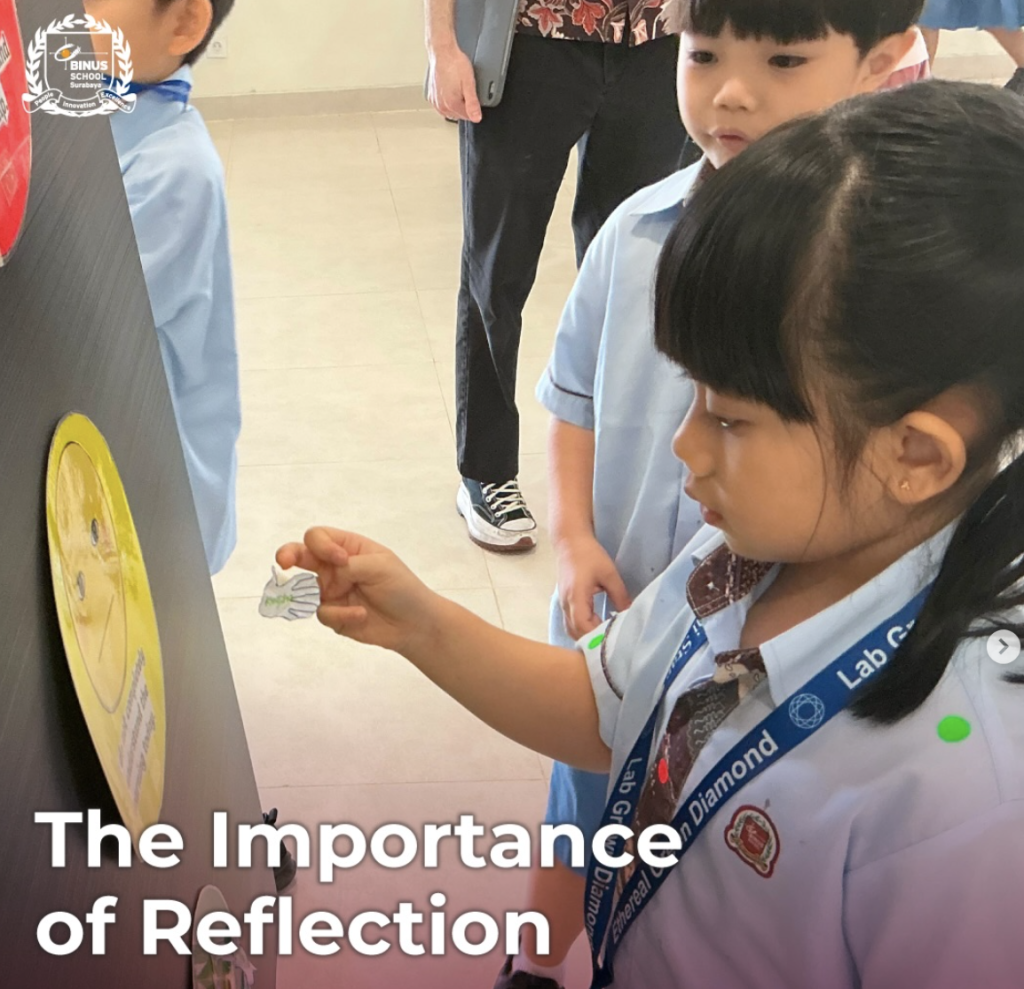
In the IB Primary Years Programme, reflection is an essential part of the learning process. It helps students think about what they have learnt, recognise challenges, celebrate progress, and take ownership of their learning journey. Even for young learners, simple reflective routines can foster strong habits of thinking, self-awareness, and continuous growth.
One effective strategy we use in the classroom is the Traffic Light Feedback approach, often implemented as an exit ticket at the end of a lesson. This simple yet meaningful tool encourages students to reflect honestly about their level of understanding and learning experience, while providing teachers with valuable insights to guide future instruction.
What is the Traffic Light Feedback?
The traffic light system uses three colours:
Red – I am confused or need support to understand.
Yellow – I understand some parts, but I still need help or more practice.
Green – I understand this well. I can do it independently.
At the end of the lesson, students reflect on their learning and choose the colour that best represents their level of understanding. They may share this through cards, sticky notes, drawings, or verbal responses depending on their age and learning needs.
Encouraging Student Agency and Ownership
In the PYP, students are encouraged to become active participants in their learning. The Traffic Light Feedback helps students develop student agency by giving them a voice in the classroom. Instead of learning being only teacher-directed, students begin to recognise:
“What they already know, what they still need to improve, when they need support.”
This routine helps students understand that learning is a process, and it is fine not to understand everything immediately.
One student reflected,
“I chose yellow because I can do some parts, and some I don’t understand”
Another student shared,
“I picked green because I can explain it to my friend and it is easy for me.”
These reflections show that students are learning to think honestly and meaningfully about their progress.

Supporting Approaches to Learning Skills
Using reflection strategies such as the Traffic Light Feedback also supports the development of Approaches to Learning, especially:
- Self-management skills: monitoring progress and recognizing learning needs
- Communication skills: expressing thoughts and feelings clearly
- Thinking skills: evaluating understanding and making decisions

Students gradually become more confident in expressing their learning experiences and identifying strategies that help them succeed.
Helping Teachers Respond to Student Needs
The Traffic Light Feedback is also valuable for teachers. It provides immediate insight into student understanding and helps teachers plan the next steps in learning. Teachers can quickly identify:
- Which students are ready for extension?
- Which students need more support?
- Which concepts may need to be revisited?
This reflective practice creates a responsive and supportive learning environment where every student’s voice matters.
Building a Reflective Learning Community
Reflection is not only about identifying mistakes. It is also about celebrating growth, building confidence, and encouraging continuous improvement. Through simple tools like the Traffic Light Feedback, students learn that their thoughts and feelings about learning are important.
By making reflection a consistent part of classroom routines, we nurture students who are thoughtful, independent, and reflective learners – an important goal within the IB PYP framework. Through reflective practices, students begin to see learning as a journey, where every step helps them grow.
By:
Nindya Dewisari
Primary Co-Teacher
BINUS SCHOOL Surabaya
Related Posts

BINUS SCHOOL Surabaya Topping Off: Discover New Horizons in Sustainability and Innovation
08 February, 2025
Early Years and Primary at a Glance
29 December, 2025

BINUS SCHOOL Expands to Surabaya: Shaping the Future of Education
19 August, 2024


Your Comment